
Loading...
Serving Queensbury, NY and surrounding areas. (518) 645-9154
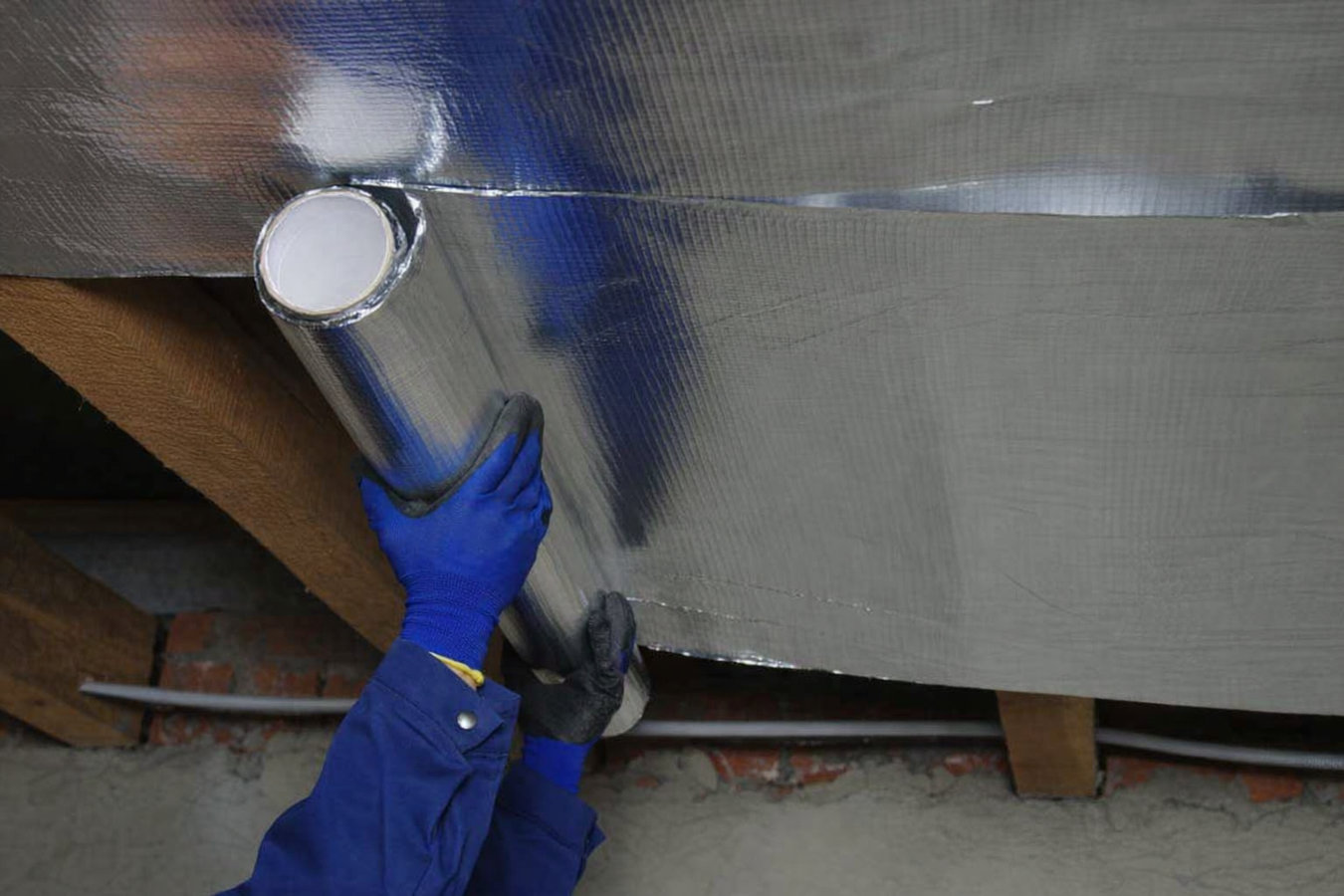
Moisture rising through your crawl space floor quietly damages wood, degrades insulation, and affects the air your family breathes. We install vapor barriers the right way so the problem stays solved.
Vapor barrier installation in Queensbury, NY means placing a thick plastic liner directly over bare crawl space soil to block ground moisture from rising into your home's framing and insulation - most residential jobs are completed in one day and require no disruption to your living areas.
In Queensbury, where winters regularly push 60 or more inches of snow and the ground freezes deep through Warren County, the freeze-thaw cycle in late winter and early spring is one of the most significant sources of crawl space moisture. Homes built before 1990 - a large share of Queensbury's housing stock - were rarely fitted with crawl space moisture protection as standard practice. If your home is in that age range and the crawl space has never been inspected, bare soil may be all that sits between the ground and your floor joists. Pairing a new vapor barrier with attic air sealing gives you a whole-home approach - stopping moisture from below while preventing heat loss from above.
What separates a good installation from a poor one is not just the material - it is how the seams are handled and whether the edges are secured against the foundation walls. A liner that is just loosely laid on the ground with overlapping but untaped seams will let moisture through at every joint. The quality of the installation matters as much as the material itself, and it is worth asking any contractor exactly how they handle both before you agree to the work.
A damp, earthy odor that gets worse after heavy rain or Queensbury's spring snowmelt is one of the clearest early signs of crawl space moisture. That smell often shows up in rooms near the floor before you ever think to look underneath your home. It is moisture rising from bare soil and the mold that grows in its wake.
When moisture works into wood framing over many years, joists and subfloor begin to soften and sag. A spot in your kitchen or hallway that feels slightly bouncy, or a door that suddenly sticks, can both trace back to moisture damage in the structure below - especially in Queensbury homes built before the 1990s with no existing crawl space protection.
Dark patches, fuzzy growth, or black streaking on the wooden beams visible in your crawl space mean moisture has been present long enough for mold to take hold. In Queensbury's climate, where crawl spaces stay cold and damp through long winters, mold can establish itself quickly once moisture levels rise. Acting sooner protects both the structure and your family's air quality.
An unprotected crawl space lets cold, damp air circulate under your floors all winter. That makes your heating system work harder to keep living areas comfortable, and the effect compounds with moisture-damaged insulation that can no longer hold heat. If your energy bills have been climbing and you have not changed your habits, an unprotected crawl space is worth investigating.
We install vapor barriers using heavy-duty polyethylene sheeting - the thickness we recommend depends on what we find in your crawl space, but we do not use thin material that tears the first time someone needs to access a pipe or duct. Seams are overlapped by at least a foot and sealed with tape; edges are secured against the foundation walls so they stay in place. Every installation covers the entire crawl space floor with no bare soil showing. For homes that need more than a floor liner, we also offer full crawl space vapor barrier coverage that extends up the foundation walls - the right choice for homes with persistent moisture or proximity to local groundwater.
Before any liner goes in, we assess drainage conditions. If there is standing water or a drainage issue that needs to be resolved first, we tell you - because installing plastic over a wet floor traps moisture underneath and makes problems worse. After the barrier is in place, many Queensbury homeowners also benefit from pairing the work with our broader attic air sealing service for a whole-home moisture and thermal control approach. Every estimate is written and includes liner thickness, seam and edge treatment, any prep work required, and total cost - so you can compare us fairly before deciding.
Best for crawl spaces with dirt floors and moderate moisture - covers the entire ground surface with sealed seams and secured edges, stopping ground moisture from rising into the framing above.
For homes near Lake George or local creek drainages with higher groundwater, running the barrier material up the foundation walls creates a more complete seal - often combined with a dehumidifier for year-round moisture control.
Older Queensbury homes sometimes have thin, torn, or displaced plastic already in place. We remove what is there, assess the underlying moisture conditions, and install a proper replacement - not a patch over a failing system.
Suited to homes where standing water or drainage issues need to be resolved before a liner goes in - we identify whether grading work, a sump pump, or another fix is needed first, so the barrier investment is not wasted.
Queensbury sits in Warren County in the southern Adirondack foothills, where average winter temperatures regularly drop below freezing and annual snowfall can exceed 60 inches. When the ground freezes and thaws repeatedly through the season, moisture gets pushed upward through the soil into crawl spaces and basements - and vapor barriers here work harder than in warmer, drier climates. Homes in lower-lying areas near the Lake George southern basin or along local creek drainages can also experience higher groundwater tables during spring snowmelt, meaning moisture does not just come from rain - it can seep up from below even in dry weather. Homeowners in Hudson Falls and Fort Edward along the Hudson River corridor face similar conditions and often call us for the same reason.
The warm, dry window in Queensbury runs roughly from late May through September. Scheduling vapor barrier work during this period gives the crawl space a chance to dry out naturally before the barrier goes down - which leads to a better result. Contractors in the area tend to book up quickly in spring as homeowners discover moisture damage after the snow melts. The U.S. Department of Energy guidance on crawl spaces recommends vapor barriers as a fundamental part of moisture control in homes with vented or dirt-floor crawl spaces - and in a climate like Queensbury's, that guidance is especially relevant. Getting on the schedule early, or even reaching out in late winter, is a smart move if you want to avoid the spring rush.
You call or submit a contact form. We ask a few basic questions - home size, crawl space access, and any specific problems you have noticed. We get back to you within one business day and schedule an in-person look before quoting anything.
We access your crawl space through the hatch or exterior panel and check for standing water, drainage issues, existing material that needs removal, and the overall condition of the joists. This visit takes 30 to 60 minutes and ends with a plain-language explanation of what we found and what we recommend.
You receive a written estimate that outlines liner thickness, seam treatment, any prep work required, and total cost. Take your time reviewing it and comparing other quotes - there is no pressure to decide on the day of the assessment.
The crew works in the crawl space for one day in most cases - laying the liner, sealing the seams, and securing the edges. When done, we walk you through the finished work with photos or a site visit and explain what to watch for in the months ahead.
Free in-person assessment, written estimate, no obligation. We come out, assess your crawl space, and give you a clear picture of what your home needs.
(518) 645-9154We check for standing water and drainage issues before recommending a barrier. Installing plastic over a wet floor traps moisture underneath and makes rot and mold worse. If drainage work needs to happen first, we tell you honestly - because a barrier that fails in two years is not a solution, it is a delay.
In a climate with significant temperature swings and occasional crawl space access for maintenance, liner thickness matters. We recommend material rated for durability in active crawl spaces, not the minimum required to cover the floor. The Building Science Corporation guidance on crawl space encapsulation confirms that material choice is as important as coverage.
When the scope of work triggers a permit requirement through the Queensbury Building and Codes Department - particularly for encapsulation or vent sealing - we handle the filing. You get documentation that protects you at resale, and you do not have to navigate the permit process yourself. New York also requires contractors to be registered for home improvement work - ask to see that registration before signing anything.
New York's NYSERDA Home Performance program offers rebates and financing for qualifying energy efficiency improvements, which can include crawl space work. We can help you understand whether your project qualifies for financial assistance before you commit to the full cost.
Every vapor barrier installation we do in Queensbury starts with an honest assessment, uses material suited to the climate and access conditions, and ends with work that holds up under inspection. That is what distinguishes a contractor who stands behind their work from one who moves on to the next job.
Stop heat loss from the top of your home - pairs well with vapor barrier work for a whole-house moisture and energy approach.
Learn MoreTargeted crawl space liner installation with wall coverage options for homes with more significant moisture challenges.
Learn MoreSpring booking slots fill fast in Queensbury - reach out now and we will get you on the schedule before the peak moisture season arrives.