Loading...
Serving Queensbury, NY and surrounding areas. (518) 645-9154
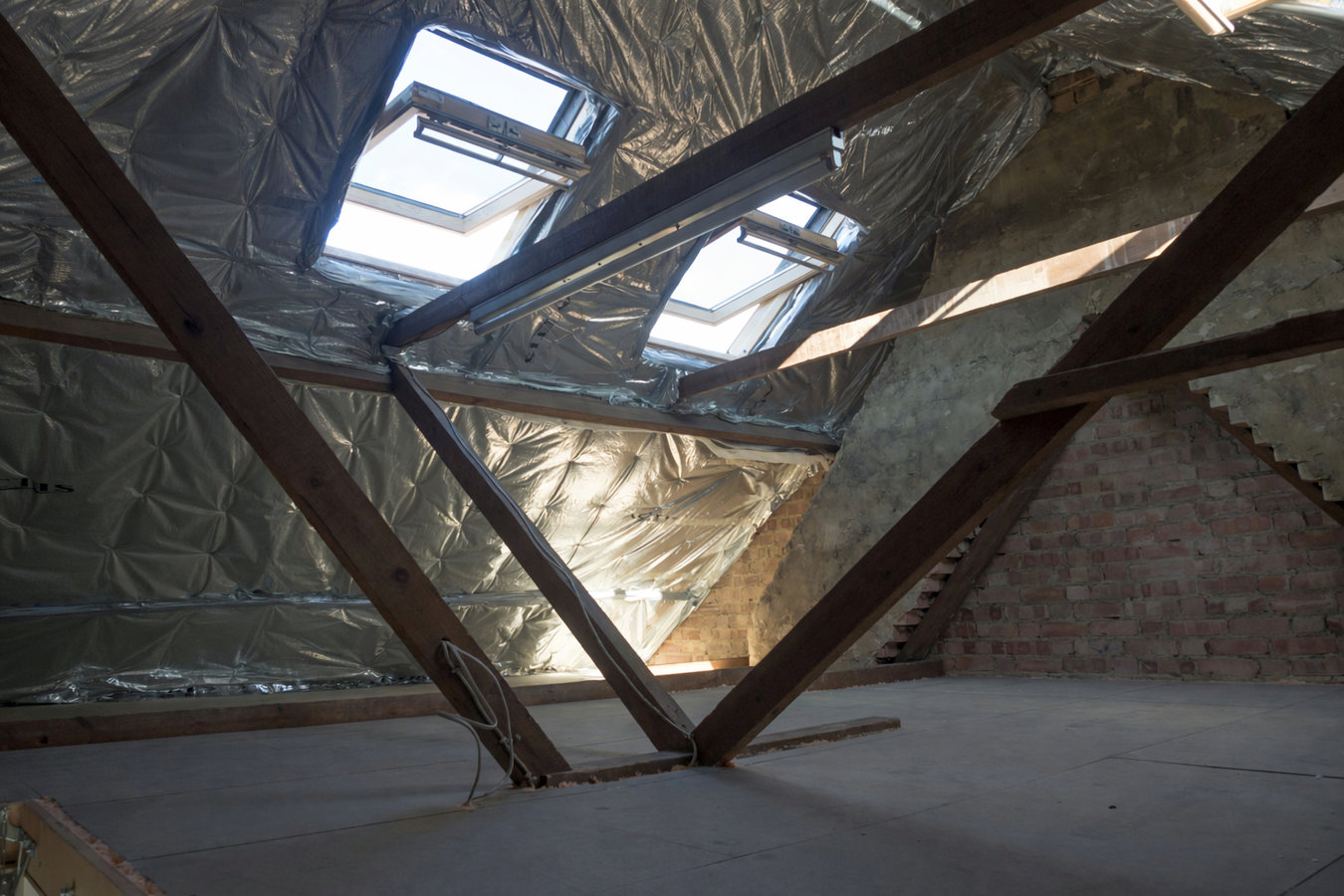
An under-insulated attic is why your upstairs rooms feel cold, why your heating bills spike every November, and why ice builds up along your roofline. We fix the root cause so you stop spending money and dealing with the damage.
Attic insulation in Queensbury, NY slows heat from escaping through your ceiling, keeps rooms warmer in winter and cooler in summer, and reduces the conditions that cause ice dams - most installations are complete in a single day.
Heat rises, and without enough insulation between your living space and the attic, it escapes straight through the ceiling. In Queensbury's long heating season - October through April - that means your furnace runs longer and your bills climb. The U.S. Department of Energy estimates that properly air-sealing and insulating an attic can cut heating and cooling costs by 10 to 20 percent annually. If you are also dealing with drafts or air leaks in other parts of your home, pairing attic work with attic air sealing ensures you are addressing both the insulation gap and the air pathways at the same time.
Most homes in Queensbury were built between the 1950s and 1980s, long before today's energy standards existed. If your home is in that range and has never had an attic upgrade, the existing insulation is likely compressed, too thin, or missing entirely in key spots. That is a solvable problem - and one we see across Warren County every day.
If your gas or electric bill spikes sharply every November and stays elevated through March, your attic may be letting heat escape faster than your furnace can replace it. Queensbury's long heating season means even a modest insulation gap translates into real money over a winter. A significant difference compared to neighbors with similar homes is worth investigating.
Thick ridges of ice along the edge of your roof in winter are a visible sign that heat is escaping through your attic and melting snow unevenly. This is a common problem in Queensbury, where cold snaps follow snowfall regularly. Water staining on your ceilings after a thaw means the ice dam has already forced water inside - and the insulation and air sealing underneath are the reason.
Rooms directly below your attic that feel noticeably colder than the rest of the house in winter are losing heat upward rather than holding it where you need it. Cold floors and ceilings in top-floor bedrooms are some of the clearest signs that your attic is not doing its job.
If you peek into your attic and can see the wooden beams running across the floor, your insulation level is almost certainly too low for Queensbury winters. Adequate insulation should cover those beams completely - and then some. Visible joists are one of the simplest, most reliable signs that an upgrade is overdue.
The right approach to attic insulation depends on your home's layout, what is already there, and what problems you are trying to solve. For most existing homes in the Queensbury area, we start with blown-in insulation - loose-fill material fed through a hose from outside - because it fills around joists, wiring, and odd corners without leaving gaps. It is the most common method for adding a second layer on top of existing material, and it can be installed in a day on most homes without requiring you to leave during the work.
Before any insulation goes in, we seal gaps and cracks in the attic floor - around light fixtures, plumbing pipes, and where walls meet the ceiling. This step is what separates an installation that delivers real savings from one that looks complete but leaves air pathways open. Skipping air sealing is one of the most common reasons homeowners do not see the energy savings they expected. For homes where the attic assembly itself needs attention - particularly where ice dam prevention is the goal - we also offer spray foam applications and can pair attic work with a full attic air sealing scope.
The most common solution for existing Queensbury homes - fills irregular spaces completely, installs in one day, and works over existing material in most cases.
The complete approach - gaps sealed first, then insulation on top - for homeowners who want the full energy savings and not just a partial fix.
For homes that have some insulation but fall short of recommended levels - adding depth without removing what is there, provided the existing material is in acceptable condition.
Targeted work for homes with recurring ice dam problems - addressing the specific heat loss pathways that drive the freeze-thaw cycle along the roofline.
Queensbury sits in the Adirondack foothills in Warren County, where average January lows regularly drop into the single digits and the heating season stretches from October well into April. That sustained cold puts enormous pressure on an under-insulated attic - heat escapes faster, the furnace runs longer, and energy bills climb. For this climate zone, the U.S. Department of Energy recommends a total attic R-value between R-49 and R-60, which is significantly more than what most older homes in the region currently have. Ice dams are a common complaint among Queensbury homeowners every winter - and proper attic insulation combined with air sealing is the most effective long-term fix. New York homeowners can also access rebates through NYSERDA and National Grid to help offset the cost of an upgrade.
The same conditions affect homeowners throughout the area, including Glens Falls, where a large share of the housing stock dates from the same postwar era and faces the same challenge: homes built when insulation requirements were a fraction of what they are today. If your home was built before 1990 and has never had an attic upgrade, the combination of age, compression, and climate demands makes it one of the highest- return improvements you can make.
We ask a few basic questions - your home's age, approximate size, and whether you have noticed any specific problems like high bills or ice dams. We respond within 1 business day and can typically schedule an in-home assessment within a few days. This first conversation costs nothing and commits you to nothing.
We access the attic, measure what is already there, and check for any issues - moisture, blocked vents, or gaps that need sealing first. This usually takes 30 to 60 minutes. We walk you through what we found and explain what we recommend in plain terms, with a written estimate covering scope and total cost.
The crew seals air gaps first, then installs the insulation on top. Blown-in material is fed through a hose from outside - there is some noise but minimal disruption inside the home. You do not need to leave. Most jobs wrap up in a single day, and the insulation is effective as soon as the crew finishes.
Before leaving, we confirm the final depth and coverage with you and provide any documentation needed for a NYSERDA rebate or National Grid incentive application. There is no curing period - the work is effective immediately. If anything comes up in the weeks after, we stand behind what we installed.
No pressure, no obligation. We respond within 1 business day.
(518) 645-9154Adding insulation without sealing the gaps underneath is one of the most common reasons homeowners do not see the savings they expected. We seal the attic floor first - around fixtures, pipes, and wall-ceiling junctions - before any insulation goes in. That step is what makes the difference between an insulation job and an energy upgrade.
We are a Queensbury-based contractor and work throughout Warren County year-round. We know what homes built in the 1960s and 70s here typically look like from the attic - compressed original insulation, unblocked wall cavities, and insufficient depth near the eaves. That local knowledge changes how we approach each job and what we watch for during the assessment.
New York homeowners can qualify for meaningful rebates for attic insulation upgrades through NYSERDA and National Grid, but the paperwork has to be done correctly. We structure the job so it qualifies and provide the documentation you need to file - so the rebate comes back to you without an afternoon spent on hold with a state agency.
Attic work that involves significant air sealing or structural access changes may require a permit through the Town of Queensbury Building and Codes office. We know the local process and handle it when it applies - so the work is done right and documented correctly for your home's records.
Queensbury winters are long, and a rushed or incomplete attic job shows up in your bills and your comfort within the first cold snap. We take the time to do the assessment properly and make sure the coverage is even before we leave - because the goal is a home that stays warm all season, not just the day the crew finishes.
Loose-fill blown-in insulation for attics and enclosed wall cavities - reaches every corner and works over existing material in most homes.
Learn MoreSealing the gaps and penetrations in the attic floor before insulation goes in - the step that makes the biggest difference in actual energy savings.
Learn MoreQueensbury's heating season is long - the sooner your attic is upgraded, the sooner you start saving on every energy bill.