Loading...
Serving Queensbury, NY and surrounding areas. (518) 645-9154
Cold rooms, high heating bills, and ice dams every winter are all signs your home is losing heat it should be keeping. The right insulation in the right places fixes all three - and New York State rebates can offset a meaningful share of the cost.
Home insulation in Queensbury, NY slows the movement of heat through your attic, walls, floors, and crawl space year-round - most whole-home projects are completed in one to two days with no need to leave during work.
Queensbury falls in Climate Zone 6, one of the colder designations in the country, which means the recommended insulation levels here are higher than in most of the United States. If your home was built before 1980 and has never had an upgrade, there is a good chance the attic is under-insulated by a wide margin. For homeowners who want to start with the area that delivers the most return, a focused insulation removal and replacement project often reveals just how little was there to begin with.
The good news is that the fix is straightforward, the results are measurable, and New York State programs through NYSERDA can reduce what you pay out of pocket. A quick assessment tells you exactly where you stand and what it would cost to get your home to where it should be.
If your gas or electric bills climb sharply from October through March and you cannot point to a clear reason, heat loss through under-insulated surfaces is a likely culprit. Queensbury's long heating season means even moderate heat loss adds up to a significant dollar amount by the time spring arrives.
When insulation is thin or missing in certain areas, those spots feel colder in winter regardless of how high you set the thermostat. If your upstairs bedrooms or rooms with exterior walls feel drafty or chilly even with the heat running, that is a reliable sign the insulation behind those surfaces is not doing its job.
The ridges of ice that build up along the lower edge of a roof are a classic sign of heat escaping through an under-insulated attic. When warm air leaks in, it melts snow on the roof; that water runs down and refreezes at the cold eaves. This is a common problem in Queensbury given the area's heavy snowfall, and it can cause real damage to your roof and gutters if left unaddressed.
Drafts at electrical outlets on exterior walls, along baseboards, or around window and door frames mean air is moving freely through gaps in your home's envelope. In Queensbury's winters, those gaps are a direct path for cold air to enter and warm air to escape. Insulation combined with air sealing addresses both problems at the same time.
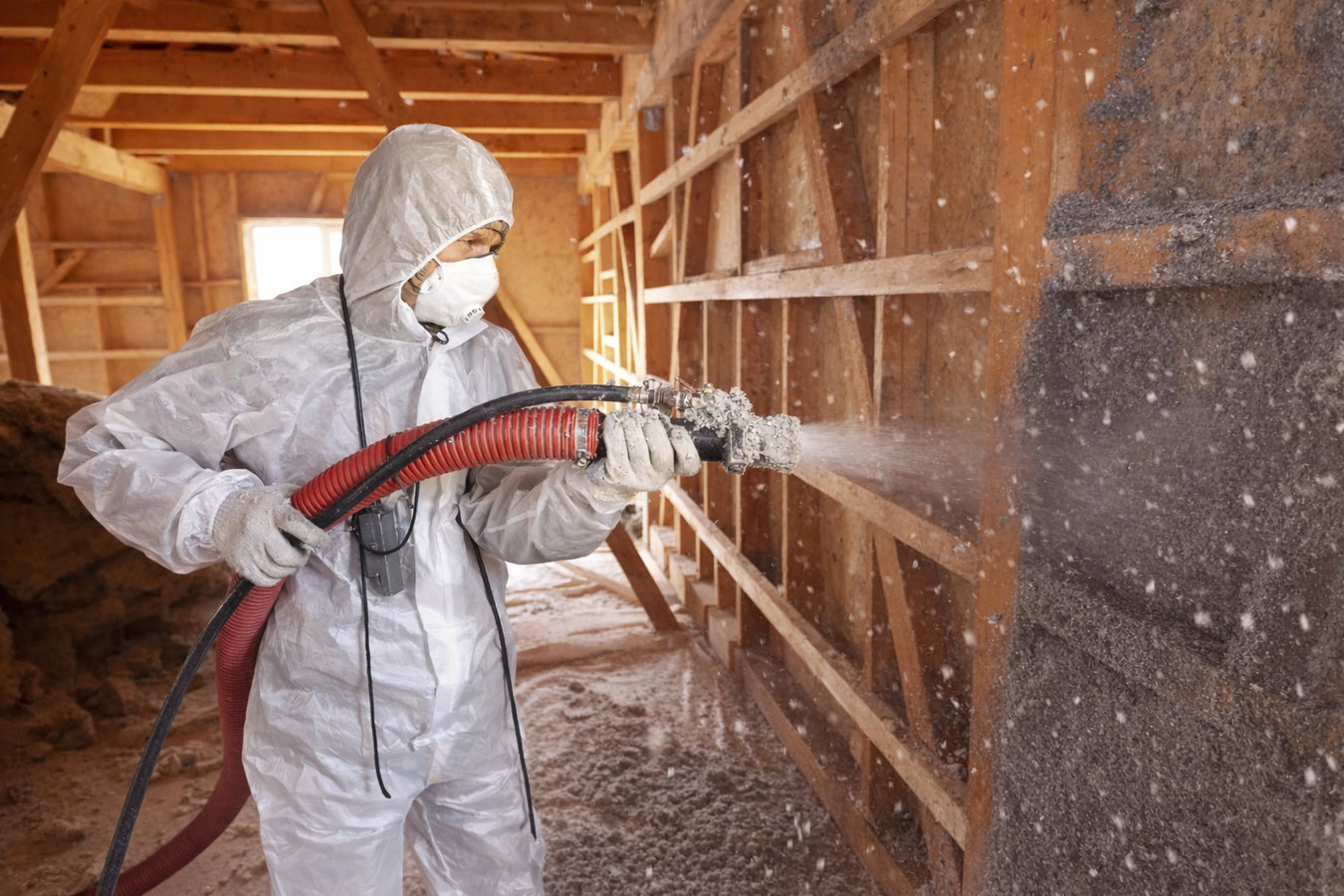
We assess each area of your home and recommend the insulation type that fits the specific location and your goals. The attic is usually the highest-return starting point - heat rises and escapes through the ceiling faster than almost anywhere else in the house. We use blown-in cellulose or fiberglass for attics and hard-to-reach spaces because it fills irregular framing and existing gaps completely. For walls and accessible framing cavities, batt insulation installs efficiently between studs. Where air sealing is part of the problem - rim joists, crawl spaces, or areas with visible drafts - spray foam seals and insulates in the same step.
Many Queensbury homeowners also need help with insulation removal before new material can go in - particularly in older homes where the original insulation has compressed, absorbed moisture, or was simply installed incorrectly. And for homes where drafts are a primary concern, pairing any insulation upgrade with wall insulation ensures you are addressing both the thermal barrier and the air leaks at the same time.
The highest-return starting point for most Queensbury homes - blown-in or batt insulation combined with air sealing to stop heat loss at the ceiling.
Blown-in dense-pack for existing walls or batt insulation during renovations, suited for homeowners tackling exterior walls that feel cold in winter.
Spray foam or rigid board for below-grade areas where moisture control and cold floor prevention matter as much as thermal performance.
A full walkthrough of your home's attic, walls, and crawl space to identify where you are losing heat and prioritize what to fix first for the best return.
Queensbury sits in Warren County in the Adirondack foothills, where winters are genuinely harsh - average January lows regularly drop into the single digits, the area receives 60 or more inches of snow in a typical year, and the heating season stretches from October through April. Much of the residential development in Queensbury and the surrounding Glens Falls area dates from the mid-20th century. Homes built in that era were typically insulated to standards that are now understood to be inadequate for a Climate Zone 6 winter. If your home is more than 40 years old and has not had an insulation upgrade, it is almost certainly losing heat through the attic, walls, and floor - and that loss shows up on your bill every month from fall through spring.
We serve homeowners throughout the region, including Lake George and Warrensburg, and we understand how Queensbury's proximity to the Adirondack terrain creates additional wind exposure and moisture conditions that affect how homes need to be insulated. The NYSERDA rebate programs available in this region are well-established, and we help Queensbury homeowners navigate them so the money you are entitled to actually gets back to you.
We ask about your home's age, the areas you are concerned about, and what you have noticed - high bills, cold rooms, drafts. This call takes about 10 to 15 minutes and helps us arrive prepared. We respond within one business day.
We walk your attic, crawl space, and any flagged areas - measuring what is there, identifying gaps, and checking for moisture or ventilation concerns. The visit takes 30 to 60 minutes and we explain what we find in plain terms before we leave.
Most attic jobs are done in a few hours; larger whole-home projects may run a full day. For blown-in or batt work, you stay home - the crew protects your floors and belongings near the access area and cleans up before they leave.
When the work is done, we walk you through what was installed and confirm coverage meets the recommended level for this climate. You receive all documentation needed for NYSERDA rebate applications and the federal energy efficiency tax credit.
A free walkthrough assessment takes about an hour and gives you a clear picture of what your home actually needs - no obligation, no pressure, and we handle the rebate paperwork so you do not have to figure it out alone.
(518) 645-9154A lot of contractors quote the attic because that is where the easy money is. We look at the attic, walls, rim joists, crawl space, and basement together because the right answer depends on where your home is actually losing heat - and those spots are not always obvious until you look.
Every estimate we provide is in writing, broken down by scope of work and materials. We explain what we recommend and why, and we will tell you when a smaller targeted job will do more good than a full whole-home project. You should not feel pressured after we leave.
We know the NYSERDA programs, NYSEG rebates, and the federal tax credit that apply to Queensbury homeowners. We provide all the documentation you need to submit claims and can explain what you qualify for before any work begins - so you know the net cost, not just the sticker price. U.S. Department of Energy insulation guidelines inform the standards we work to on every job.
We work regularly across Queensbury and the surrounding towns and understand the housing stock here - the ranch homes, split-levels, and cape cods built in the mid-20th century that make up a large share of the area. That familiarity means we come to your home knowing what to expect and how to handle it efficiently.
When you call Queensbury Insulation, you get an honest assessment, a written estimate, and an installation backed by documentation you can actually use. We treat every Queensbury home as if it were ours - because we live and work in this community too.
Clear out old, damaged, or under-performing insulation before upgrading to bring your home up to current standards.
Learn MoreTarget the exterior walls that make rooms feel cold in winter, using blown-in dense-pack or batt insulation depending on the access available.
Learn MoreWinter comes early in Warren County - get your estimate before the cold sets in and find out exactly what your home needs and what it will cost.