Loading...
Serving Queensbury, NY and surrounding areas. (518) 645-9154
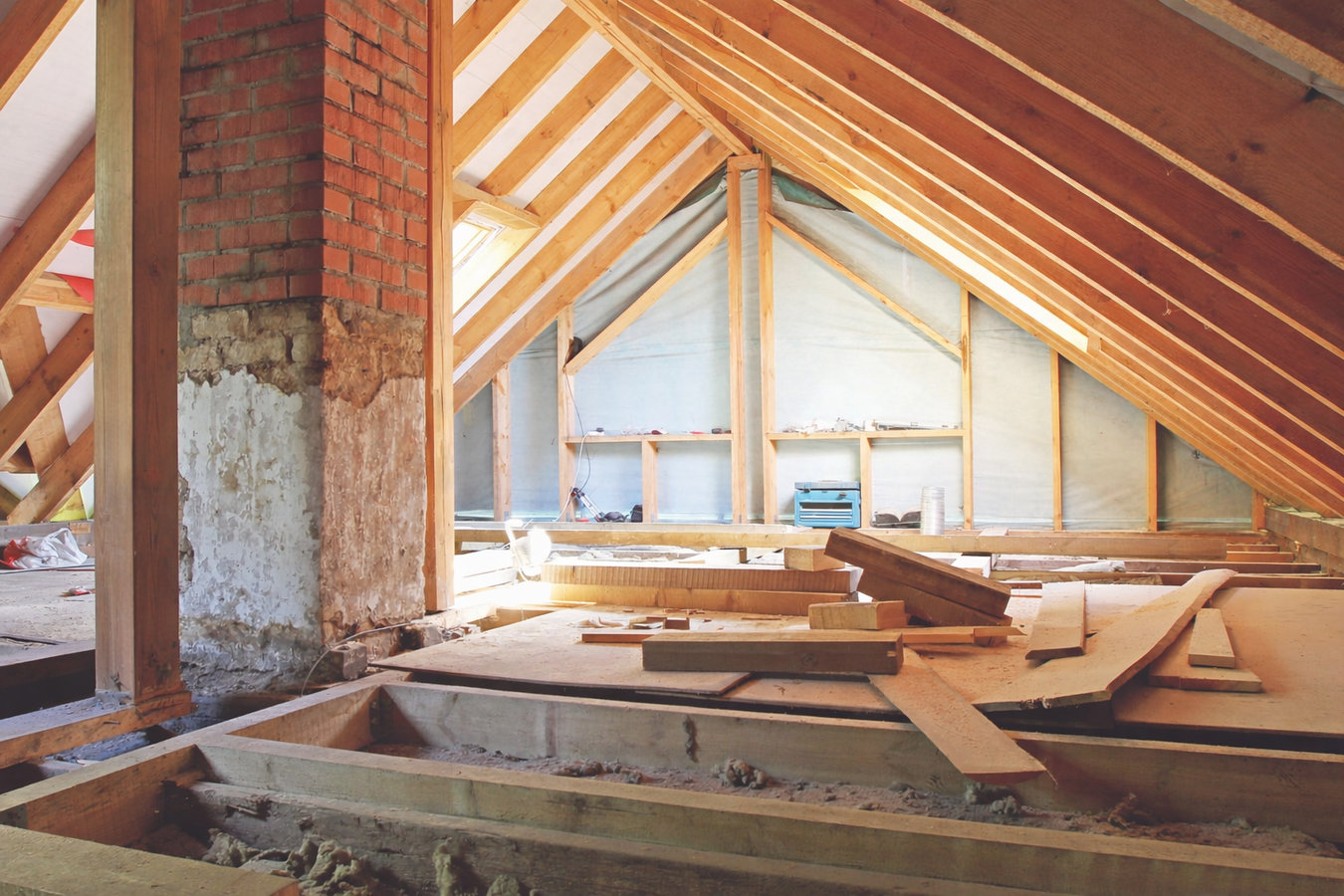
Old, wet, or rodent-damaged insulation is not just useless - it actively works against your home. We remove the problem material completely so your next insulation job performs from day one.
Insulation removal in Queensbury, NY involves clearing out old, damaged, or contaminated material from your attic, crawl space, or walls using industrial vacuums and hand tools - most attic jobs are completed in a single day and the space is left clean and ready for the next step.
Not every insulation upgrade requires removal first, but when existing material has been compromised by moisture, rodents, mold, or age, adding new insulation on top just traps the problem. Queensbury homes built between the 1950s and 1980s are the most common candidates, since original insulation in those houses has often settled, absorbed moisture from ice dam leakage, or been disturbed by animals over the decades. If you are planning retrofit insulation after removal, we handle both phases in sequence so nothing falls through the cracks.
One of the most valuable parts of the removal process is what it reveals. Once old material is out, the exposed surfaces give a contractor a clear view of air leaks, moisture damage, or structural issues that were hidden before - problems that are far cheaper to fix at this stage than after new insulation goes in.
Ice dams form when heat escapes through the attic and melts snow on the roof, which refreezes at the cold eaves. In Queensbury, where heavy snowfall is common from December through March, repeated ice dams often mean attic insulation has gotten wet and lost its effectiveness. Wet insulation cannot be dried out and reused - it has to come out before new material can do its job.
Droppings, nesting material, or scratching sounds in your attic almost always mean the insulation is contaminated throughout - not just in visible spots. Rodent waste can carry pathogens and makes insulation useless as a thermal barrier. Full removal and sanitizing of the space is the only safe path forward in this situation.
A musty smell that gets stronger in humid months often means moisture has reached your insulation and mold has started growing. This is a common issue near Lake George and the Adirondack foothills, where summer humidity can be significant. Mold in insulation does not go away on its own, and covering it with new material only makes the problem worse.
Homes built in Queensbury between the 1950s and 1970s were insulated to standards far below what is recommended today, and that original material has had decades to compress, settle, and degrade. If it has never been replaced, a visual inspection will likely show material doing very little. Older homes may also require asbestos testing before any removal begins.
We remove both blown-in and batt insulation using the method that fits the material and the space. Loose-fill material - the fluffy gray or pink type blown in by machine - is vacuumed out with industrial equipment. Fiberglass batts and older roll insulation are pulled by hand, bagged, and hauled away the same day. After removal, we inspect the exposed surfaces for air leaks, moisture damage, or structural issues that need attention before new insulation goes in. If you are moving straight to crawl space insulation or a full attic upgrade, we coordinate the removal so the project keeps moving without gaps between phases.
For homes where the next step after removal is a complete thermal upgrade, we also offer retrofit insulation - bringing older homes up to current performance standards using the right combination of materials for each area. Every job gets a written estimate that breaks out what is being removed, how it will be disposed of, and what cleanup will look like before a single bag is filled.
Best for homeowners dealing with ice dam damage, rodent contamination, or original material that has settled beyond recovery in homes built before 1990.
Suited to homes where moisture or pest activity has compromised floor joist insulation, or where a full encapsulation project requires a clean starting point.
For loose-fill cellulose or fiberglass that needs to come out cleanly and quickly, with minimal disruption to the living areas of the home during the process.
For homeowners who need the space cleared, inspected, and documented before a new insulation installation begins - whether by us or another contractor.
Queensbury sits in Warren County in the Adirondack foothills, where average January temperatures regularly drop into the single digits and heating seasons stretch from October through April. That sustained cold puts constant pressure on your home's thermal envelope - and when insulation fails here, homeowners feel it immediately in their heating bills. A large share of the housing stock was built between the 1950s and 1970s, and many of those homes still have original material that has settled, absorbed moisture, or been disturbed by animals over the decades. When insulation reaches that state, removing it is the only way to get a new installation that actually performs.
Proximity to Lake George and the broader Adirondack watershed means attics and crawl spaces here are more susceptible to moisture intrusion than in drier climates. Ice dam leakage in winter and rising humidity in summer both push water into insulation that was never designed to handle it. Homeowners in Glens Falls and Warrensburg face the same pattern - older homes, demanding winters, and insulation installed under far less stringent standards than what is required today. The U.S. Environmental Protection Agency is clear that mold-contaminated insulation requires full removal - guidance that is especially relevant in a climate like this one.
We will ask about your home's age, the type of insulation you think you have, and whether you have noticed any moisture or pest problems. We reply within one business day and can typically schedule an initial visit within a few days.
We inspect the attic, crawl space, or both - checking the type and condition of existing insulation and looking for moisture or pest damage. If your home was built before the mid-1980s, we discuss asbestos testing at this stage. You receive a written estimate before any work is scheduled.
The crew sets up vacuum equipment and runs a hose to the attic or crawl space. Plastic sheeting protects your floors and access area from dust. Most jobs finish in a single day - you can stay home, though the equipment runs loud for several hours.
All removed material is bagged and hauled away the same day - nothing left in your driveway. We walk you through the cleared space, explain what we found underneath, and outline any issues like air leaks or moisture damage that should be addressed before new insulation goes in.
We will inspect your space, give you a written estimate, and answer every question before any work begins.
(518) 645-9154If your home was built before the mid-1980s, we address asbestos testing at the assessment stage - before anyone touches the insulation. New York State requires a licensed inspector to test older homes, and we make sure that step happens. You get documentation that the work was done safely and according to state rules, which matters if you ever sell the home.
Every bag of removed material is hauled away the same day the job is done. You will not find a pile of debris in your driveway the next morning waiting for a pickup. The space is clean and documented before we leave so you know exactly what is there before the next contractor arrives.
We have worked on homes throughout Queensbury and the surrounding area - from ranch homes off Luzerne Road to split-levels near Aviation Road. We know the common insulation types in this area, the age ranges of local housing stock, and the permit process through the Town of Queensbury Building and Codes Department.
Every removal job gets a written estimate spelling out what will be removed, how it will be disposed of, and what cleanup looks like. The Insulation Contractors Association of America recommends written scopes for jobs of this type, and we follow that standard on every project regardless of size.
Insulation removal is a job where the details matter - the right protocol for older homes, a clean space when the crew leaves, and a clear explanation of what was found underneath. That is what we deliver on every job in Queensbury and the surrounding area.
After removal, protect your crawl space with proper insulation and moisture control to stop cold floors and high heating bills.
Learn MoreBring your older Queensbury home up to current performance standards once outdated or damaged material has been cleared out.
Learn MoreDon't head into another heating season with insulation that isn't working - call us now and we will get out to assess your home.