
Loading...
Serving Queensbury, NY and surrounding areas. (518) 645-9154
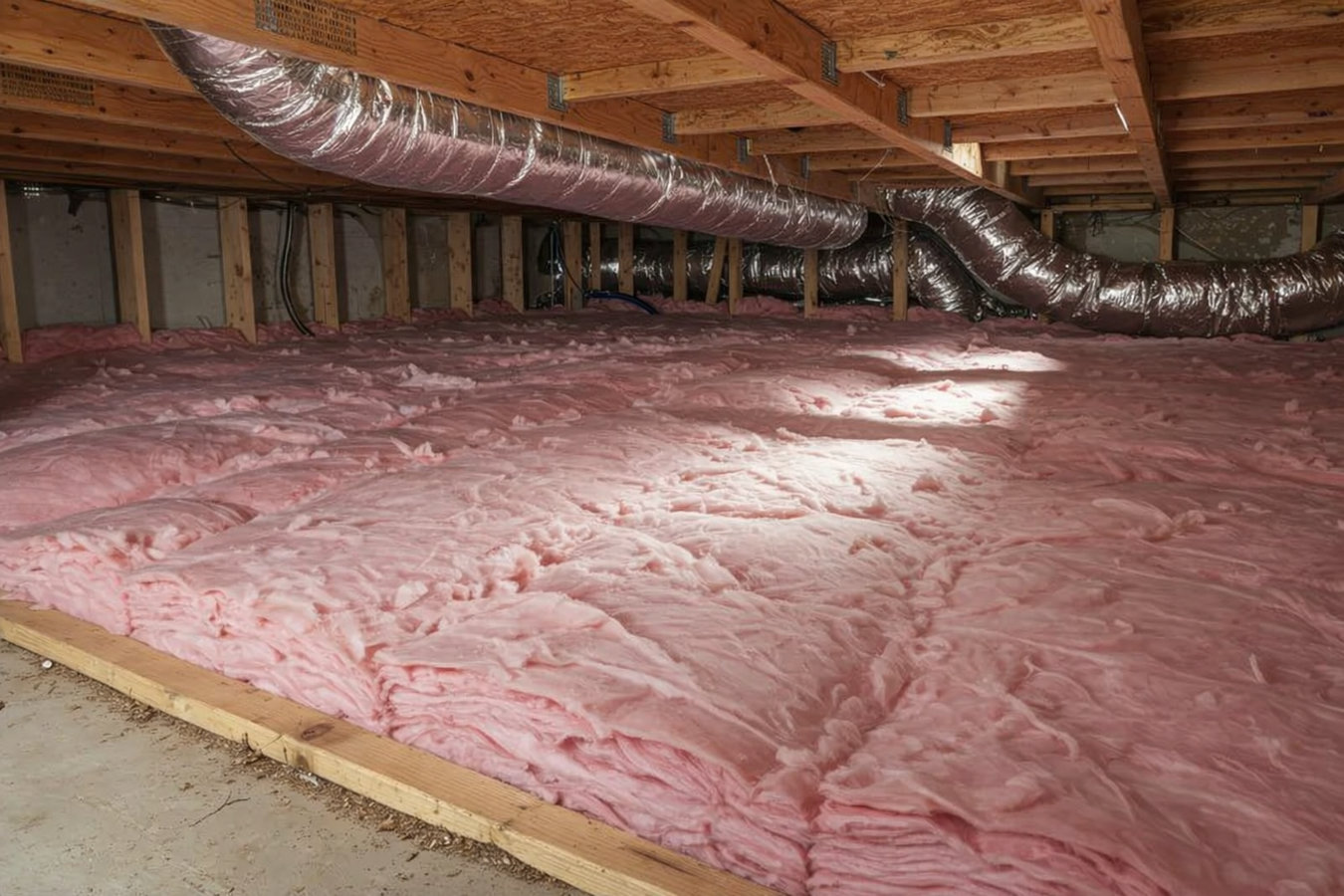
If your floors feel cold in January and your heating system runs harder than it should, the crawl space underneath your home may be the problem. We insulate and seal it properly so your home holds heat from the ground up.
Crawl space insulation in Queensbury, NY acts as a thermal barrier between the cold ground and the living space above - most residential jobs are completed in one to two days and homeowners typically notice warmer floors within the first heating season.
Without insulation, cold air from below seeps through your floors in winter, making the first floor harder to heat and your furnace work overtime. In Queensbury, where January temperatures regularly drop into the single digits, an uninsulated crawl space is one of the most direct paths from outside cold to your living space. If you are also dealing with ground moisture in the crawl space, adding a crawl space vapor barrier alongside insulation is the complete solution - insulation alone will not stop ground moisture from working its way upward into the wood and material above.
A large share of homes in Queensbury's established neighborhoods were built before modern insulation standards were common. Many have vented crawl spaces that were never insulated, or original material that has settled, absorbed moisture, or been disturbed by pests over the decades. A proper installation starts with checking what is already there - moisture, mold, or damaged material need to be addressed before anything new goes in.
If your kitchen or living room floor feels cold through your socks in January, the crawl space below is not thermally protected. In Queensbury, where temperatures can stay below freezing for weeks at a time, an uninsulated crawl space acts like a refrigerator pressed against the underside of your home. Warm floors are one of the first improvements homeowners notice after this work is done.
If your home feels harder to keep warm than it used to, and your heating costs have risen even when energy prices have not changed much, heat loss through the floor is a likely contributor. Queensbury homes that heat with propane or fuel oil - common in this area - feel this especially hard, since those fuel costs fluctuate and every bit of wasted heat shows up on the bill.
A persistent musty or earthy smell from a basement, first-floor closet, or floor vents often means moisture is building up in the crawl space below. In Queensbury, spring snowmelt and summer humidity both push moisture into crawl spaces that are not properly sealed. Left unaddressed, that moisture damages insulation, encourages mold, and eventually affects the air quality throughout your home.
If you have looked into your crawl space and noticed insulation hanging down, falling apart, or missing in patches, it is no longer doing its job. Older Queensbury homes often have original fiberglass batts that have absorbed moisture, compressed, or been disturbed by pests over the decades. Damaged insulation can trap moisture against the wood above it - which is worse than having nothing there.
We install insulation in crawl spaces using the method that fits the space - whether that means insulating the floor joists above the crawl space or sealing and insulating the crawl space walls as part of a full encapsulation approach. The right choice depends on whether your crawl space is vented or sealed, and we explain the difference and recommend what fits your home before any work begins. For homes with dirt floors, a thick plastic moisture barrier goes down before any insulation - this step is essential and should be included in every complete crawl space job. If a full crawl space vapor barrier installation is what your home needs, we handle that as a standalone project or as part of a combined insulation and moisture control package.
Some Queensbury homes also need insulation in the walls that separate the crawl space from conditioned living areas - work that falls under wall insulation and is often handled at the same time as a crawl space project to address the full perimeter in a single visit. Every estimate includes a written breakdown of what will be installed, what materials will be used, and what the moisture barrier coverage will look like so there are no surprises on the day of the job.
Best for vented crawl spaces where the goal is to insulate the floor assembly above, keeping conditioned air in the living space and cold air out from below.
Suited to homes with sealed or encapsulated crawl spaces where insulating the perimeter walls keeps the crawl space itself within the thermal envelope of the home.
For dirt-floor crawl spaces or any space with ground moisture concerns, a thick polyethylene liner is installed before insulation to stop moisture from rising up into the wood and insulation above.
For homes that need a complete solution - addressing both heat loss and moisture in a single project, with insulation and a full vapor barrier installed together for lasting protection.
Queensbury sits in Warren County in the Adirondack foothills, where average January lows regularly drop into the single digits and heating season runs from October through April. That sustained cold puts real pressure on any gap in your home's thermal envelope, and an uninsulated or under-insulated crawl space is one of the biggest gaps there is. For homeowners here, crawl space insulation is not a luxury upgrade - it is a practical defense against heating bills that climb steeply through the coldest months. The U.S. Department of Energy recommends crawl space insulation in climate zones like Queensbury's as one of the highest-impact improvements a homeowner can make.
The area also gets significant snowfall - Queensbury averages over 60 inches per year - and when that snow melts in March and April, the ground around and under homes becomes saturated. Crawl spaces without a proper moisture barrier are especially vulnerable during the spring thaw, and moisture that gets into insulation during that period can cause problems that are not visible until summer. Homeowners in Glens Falls and Lake George face the same seasonal pattern. New York State energy code sets minimum performance requirements that any permitted insulation project in Warren County must meet - giving homeowners a baseline guarantee of quality on work that is properly permitted and inspected.
We will ask a few basic questions - your address, approximate home size, whether you know if your crawl space is vented or sealed, and whether you have had any moisture or pest issues. We reply within one business day and can typically schedule an in-person estimate within a few days to a week.
We physically inspect the crawl space - checking its size, condition, current insulation, moisture levels, and access points. We look for anything that needs to be addressed before insulation goes in, like standing water, mold, or damaged wood. You receive a written estimate that spells out what work is included and why.
The crew starts with any moisture barrier installation on the ground, then moves to the insulation itself. You can stay home during the work - most activity happens in and around the crawl space access point. Most jobs finish in one to two days with no major disruption to your daily routine.
We walk you through what was installed and explain what to watch for going forward - like checking moisture levels after a heavy spring thaw. If a permit was pulled, a local building inspector will verify the work meets code. We coordinate that process so you do not have to manage it yourself.
We will inspect your crawl space, walk you through what we find, and give you a written estimate with no obligation to move forward.
(518) 645-9154We inspect for moisture, mold, and pest damage before any insulation is installed. Putting new material over an existing moisture problem traps the damage and makes it worse over time - a common outcome when contractors skip a thorough assessment. If we find a problem, we explain what it is and what needs to happen before the insulation work can begin.
One of the most common frustrations homeowners have with contractors is arriving on job day to find the scope or price has changed. We walk through your crawl space thoroughly before we give you a number, so what we quote is what you pay. Your written estimate covers what is being installed, moisture barrier coverage, and the total cost - no surprises.
We know the permit process through the Town of Queensbury Building and Codes Department and pull permits when required - you should not have to figure that out on your own. A permitted job means an inspector verifies the work meets code, protecting you and your home's resale value. We can also tell you whether your project is likely to qualify for NYSERDA state rebates before the project starts.
We have worked on homes throughout Queensbury and the surrounding area - from older homes near Bay Road and Quaker Road to newer construction near Exit 18. We know what to expect in crawl spaces of different eras, how local seasonal moisture patterns affect insulation longevity, and what the common failure points are in homes built before the 1980s in Warren County.
Crawl space insulation is one of the highest-return improvements a Queensbury homeowner can make - but only when it is done correctly. The right assessment, the right materials for the space, and a written scope you can trust are what separate a job that lasts from one that creates new problems within a few years.
Stop ground moisture before it reaches your insulation or wood with a heavy-duty vapor barrier installed across the crawl space floor.
Learn MoreInsulate the perimeter walls of your crawl space or adjacent conditioned spaces as part of a complete thermal envelope upgrade.
Learn MoreQueensbury's heating season starts early - get your crawl space protected before October temperatures arrive and every day of delay costs you money.