Loading...
Serving Queensbury, NY and surrounding areas. (518) 645-9154
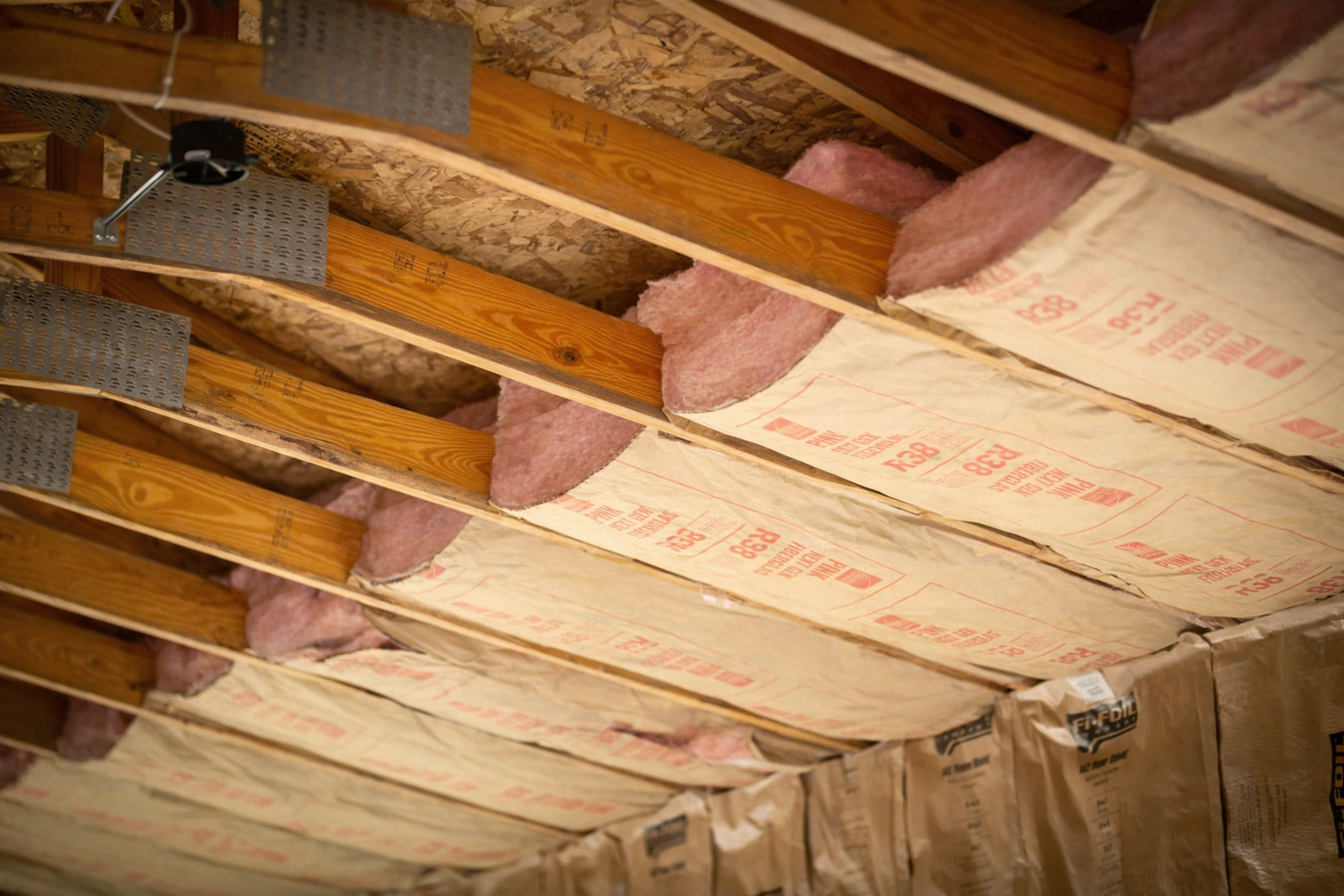
Your home does not need a major renovation to get proper insulation. We add blown-in material to attics, walls, and crawl spaces so you hold heat through every Queensbury winter without tearing anything apart.
Retrofit insulation in Queensbury, NY means adding insulation to an existing home without tearing out walls or doing a major renovation - contractors use specialized equipment to blow loose material into attic floors, wall cavities, and crawl spaces through small access points that are patched when the job is done, and most attic projects are completed in a single day.
A large share of Queensbury's housing stock was built between the 1950s and the 1980s - a period when insulation standards were far lower than they are today. Many of those homes were built with little or no wall insulation and only a few inches of material in the attic. If your home falls in that age range and insulation work has never been done, there is a strong chance it is losing a meaningful amount of heat every winter. One of the most important steps that often gets skipped is pairing new insulation with attic air sealing - adding insulation without sealing the gaps underneath is like putting on a coat but leaving it unzipped. Both steps together produce results that neither can achieve alone.
Moisture is another factor that cannot be overlooked in this climate. Adding insulation to a home that already has moisture problems can trap dampness inside walls or the attic, making things worse rather than better. A thorough contractor will check for signs of water intrusion before any material goes in - a step that is especially important in Queensbury given the heavy snow loads and significant freeze-thaw cycling that happen every winter. The U.S. Department of Energy and Building Science Corporation both publish guidance on how moisture and insulation interact in cold-climate homes worth reading before you start any project.
If your gas or electric bills during a Queensbury winter seem out of proportion to what neighbors with similar homes are paying, poor insulation is one of the most common causes. Heat rises and escapes through the attic faster than almost anywhere else. A noticeable spike after a cold snap - or bills that have crept up year after year - is a reliable signal worth investigating.
Ice dams are a tell-tale sign that heat is escaping through your attic and warming the roof unevenly. In Queensbury's winters, this is a common and frustrating problem - the ice builds up, water backs up under shingles, and you can end up with leaks inside the house. Thick ridges of ice at the roof edge or icicles that grow unusually large are both signals that attic insulation and air sealing need attention.
If one or two rooms feel cold no matter how high you set the thermostat, the walls or floor of those rooms may have little or no insulation. Rooms above garages, corner rooms, and north-facing rooms are the most common problem areas. This is especially typical in Queensbury homes built before 1980, when wall insulation was often minimal or absent entirely.
If your home was built before 1990 and you have no record of insulation upgrades, it is very likely under-insulated by today's standards - and especially by the standards needed for a Queensbury winter. Insulation materials also settle over time, so even homes that were adequate when built may have lost meaningful performance. A professional assessment costs nothing with most contractors.
We install blown-in cellulose and fiberglass insulation in attics and wall cavities, and spray foam in rim joists, crawl spaces, and other areas where a combined air seal and insulation layer produces the best result. For attic projects, we blow material across the full floor to the correct depth for this climate zone - which calls for significantly more material than warmer parts of the country. Before any insulation goes in, we check for moisture issues and seal air gaps. Skipping the air sealing step is one of the most common reasons retrofits underperform - which is why we always pair our insulation work with a thorough review of the attic air sealing needs for each home we treat.
For wall insulation in existing homes, we drill small holes in the wall surface - from the exterior in most cases - pack each cavity with dense-pack material, then patch and finish the holes. The result is walls that hold heat the way they should without any interior disruption to your living space. For whole-home projects, we can address attic, walls, and rim joists in sequence. Homeowners looking for a complete solution often pair this service with our home insulation service, which takes a full-house approach to heat retention. Every estimate is written and details the areas to be treated, the material and depth, and the total cost so you can compare proposals before deciding.
The most common retrofit project - best for homes where the attic floor has little insulation or where existing material has settled and lost depth, done in a single day with no disruption to living areas.
For homes with empty or under-insulated wall cavities - material is packed in through small drilled holes that are patched when complete, best suited for Queensbury homes built before 1980 with minimal original wall insulation.
Spray foam applied to the rim joist - the framing band that runs around the perimeter of your home just above the foundation - is one of the highest-impact improvements for cold Queensbury winters, where this area is often completely uninsulated.
Attic, walls, and crawl space addressed together in a coordinated project - the most cost-effective approach for older Queensbury homes that have not had any insulation upgrades and are losing heat from multiple areas at once.
Queensbury sits in Warren County in the Adirondack foothills - federal energy guidelines place this region in one of the coldest climate zones for the continental U.S., calling for some of the thickest recommended attic insulation anywhere in the lower 48 states. Average January lows regularly drop into single digits, and the heating season runs from October through April. At the same time, a large share of the local housing stock dates from the 1950s through the 1980s - homes in neighborhoods like Glens Falls and across Queensbury that were built during that period often have little or no wall insulation and attic depths far below what current recommendations call for. If your home was built in that era and has never had insulation work done, the gap between where you are and where you should be is significant - and so is the difference it will make to close it.
The area also receives 60 to 70 inches of snow per year on average, and ice dams are a well-known recurring problem for homes with inadequate attic insulation. Proper attic insulation and air sealing is one of the most effective ways to stop ice dams at their root cause - by keeping the attic cold so the roof temperature stays even. Homeowners throughout Warren County, including those in Warrensburg, have access to NYSERDA rebate programs that can reduce the upfront cost of qualifying retrofit work - including the EmPower+ program for income-qualifying households and on-bill financing options through the Green Jobs program. A NYSERDA-participating contractor can walk you through what you qualify for before any work begins.
Tell us the age of your home, which areas concern you, and whether you have noticed specific problems like high bills or cold rooms. We respond within one business day and schedule a free in-home estimate at your convenience.
We inspect the attic, walls, crawl space, and rim joist area. We check what insulation is already there, look for moisture or ventilation issues, and identify air sealing needs. This visit takes 30 to 60 minutes and gives us what we need for an accurate quote.
You receive a written estimate with the scope, materials, and cost. If NYSERDA rebates or on-bill financing apply to your project, we walk you through the options before you decide - so you understand what the work actually costs you after any incentives.
For most attic jobs, a two-person crew arrives with a truck-mounted blowing machine and completes the work in a single day. Before leaving, they confirm the installed depth, show you the completed area, and walk you through any patched surfaces on walls if applicable.
Free in-home estimate, no obligation. We measure what is there, tell you what we recommend, and explain your options - including any rebates you may qualify for.
(518) 645-9154Queensbury sits in a climate zone that calls for some of the thickest recommended attic insulation in the continental U.S. We always install to meet Zone 6 depth recommendations - not the bare minimum that some contractors quote to win the job at a lower price point. A shallow install leaves performance on the table that you will feel in your heating bills every winter.
Adding insulation without sealing gaps first is one of the most common retrofit mistakes. We check for and address attic air sealing needs before any material goes in - because a sealed attic performs measurably better than an insulated-but-unsealed one, and we want the results to show up on your next heating bill.
One of the most common complaints homeowners have about contractors is quotes that change once the crew is already in the attic. We document the scope in writing before starting, and if we find something unexpected once we are in, we stop and tell you before acting on it. You decide what gets done.
New York State energy programs can meaningfully reduce the cost of retrofit insulation for qualifying homeowners. We help you understand what applies to your specific project and confirm eligibility before work begins. See current program details at NYSERDA, and check recommended insulation levels for this climate zone via ENERGY STAR.
We work on homes throughout Queensbury and Warren County every season, which means we know what the local conditions do to a house over time and what it actually takes to fix the heat-loss problems that show up here most often.
A high-density option for rim joists, crawl spaces, and areas that need an air barrier combined with insulation in a single application.
Learn MoreA full-house approach to heat retention - attic, walls, basement, and crawl space assessed and treated together for Queensbury homes losing heat from multiple areas.
Learn MoreFall books fast in Warren County - reach out now and we will schedule your free in-home assessment before the busy season fills the calendar.