Loading...
Serving Queensbury, NY and surrounding areas. (518) 645-9154
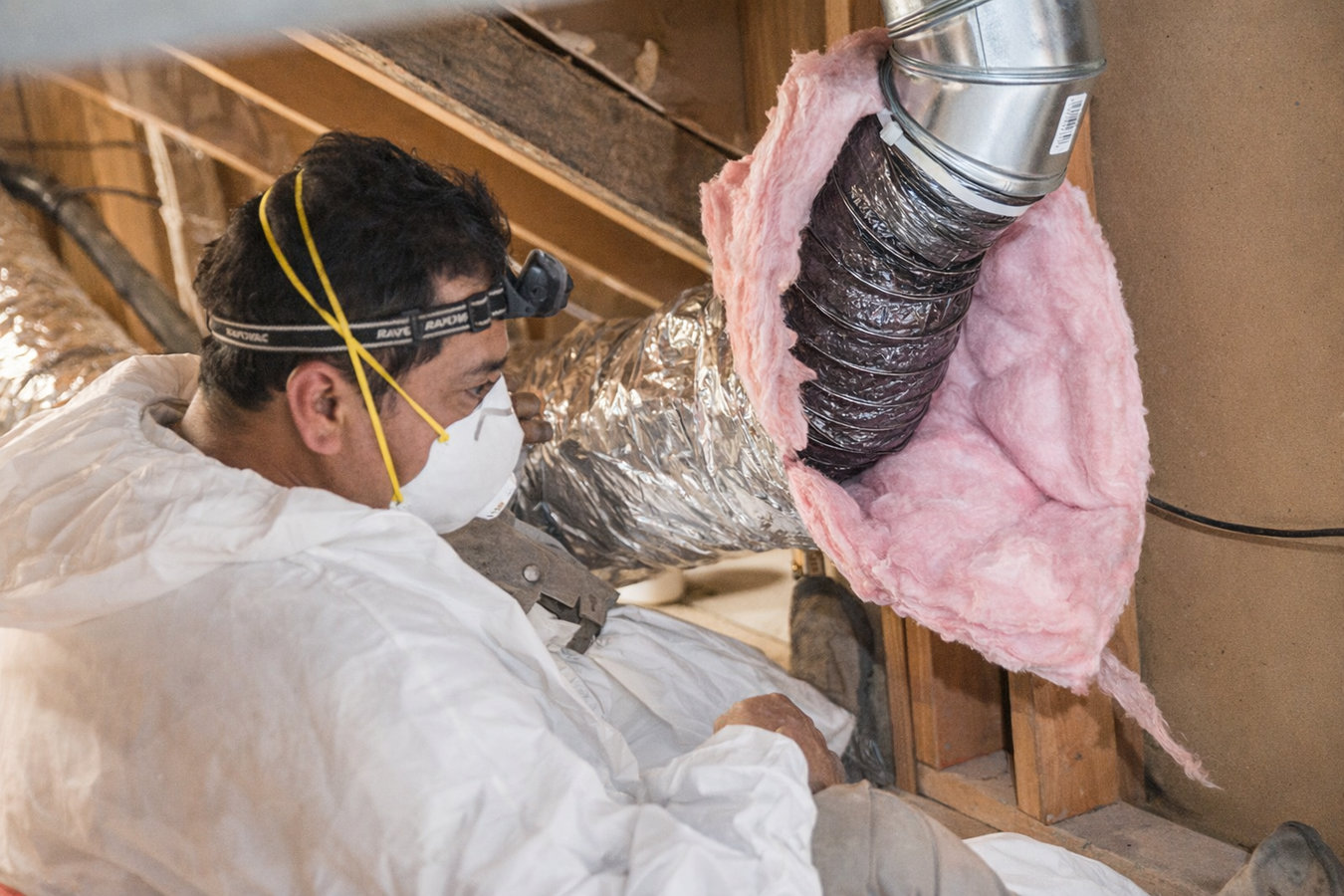
Hidden gaps in your attic floor let heated air pour out all winter long. We find every one and seal it so your home holds heat and your roof stays protected through Queensbury winters.
Attic air sealing in Queensbury, NY means finding and plugging the gaps, cracks, and openings in your attic floor that let heated air escape - a typical job covers all penetrations around pipes, wires, light fixtures, and wall tops, and most homes are completed in one to two days with no disruption to your living space.
Insulation slows heat from passing through solid surfaces, but it cannot stop air from moving through gaps. If your attic has openings - even small ones around recessed lights or where plumbing pipes pass through the ceiling - warm air in winter pours straight through them, and insulation sitting on top does almost nothing to stop it. In Queensbury, where the heating season runs from October through April and January temperatures regularly drop below 15 degrees, every gap is costing you money for months at a time. Pairing attic air sealing with retrofit insulation gives you the full picture - sealing stops the airflow, insulation handles the rest of the heat transfer.
The other issue unique to this area is ice dams. When warm air leaks from your living space into the attic, it heats the underside of the roof and melts snow unevenly. That meltwater runs to the cold eaves and refreezes, building up the ridges of ice that force water under shingles and into walls and ceilings. Sealing the attic floor cuts off the warm air that starts this whole cycle - it is the most effective long-term fix, not a stopgap. You can learn more from the U.S. Department of Energy and NYSERDA, both of which document the benefits of attic air sealing for cold-climate homes.
If your gas or electric bill has been creeping up year over year but your habits have not changed, a leaky attic is one of the most common culprits. Warm air rising through gaps in the attic floor is money disappearing into the sky - and in Queensbury's long winters, that loss adds up fast. Bills that feel out of proportion to your home size are worth investigating.
Thick ridges of ice along your eave line after snowfall, or unusually large icicles, are a classic sign of warm air escaping from your living space into the attic. Queensbury gets enough snow and cold that this problem shows up every winter for homes with poorly sealed attics. Ice dams are not just a nuisance - they can push water under shingles and cause real damage to ceilings and walls.
If rooms directly below the attic feel colder in winter than the rest of the house, or if you find yourself turning the heat up just to make one room comfortable, air movement through the attic floor is often the reason. Conditioned air is escaping before it can do its job, and the problem repeats every hour your furnace runs.
The attic hatch - the small door or panel in your ceiling - is one of the most common air leakage points in any home. Stand near it on a cold day and feel for a draft, or check whether you can see light around its edges. If either is true, that opening is letting warm air pour out of your home and signals that other gaps in the attic floor are likely present too.
We seal every penetration in the attic floor - not just the obvious ones. That means the tops of interior walls, the area around the attic hatch, recessed light fixtures, plumbing pipes, electrical wires, and chimneys. We use two-part spray foam for larger openings and acoustical caulk or specialized tape for smaller cracks. A contractor who skips the less visible spots leaves the biggest leaks untouched, which is why we work systematically from the eaves toward the center of the attic rather than only sealing what is easy to reach. When attic air sealing is paired with our broader air sealing services, we can address leakage points throughout the entire home envelope - not just the attic floor.
After sealing is complete, we walk you through what was found and what was sealed before we leave. If adding or refreshing insulation makes sense for your attic - which it often does once the gaps are closed - we explain your options, including our retrofit insulation service that can be completed in the same visit. Every written estimate breaks down the scope of work and what we plan to seal so you can compare proposals fairly before making a decision.
Best for homes where the attic has never been properly sealed - we address every penetration systematically, including wall tops and fixture surrounds that most contractors overlook.
For homes that have had some air sealing but still show signs of leakage around the hatch and eave perimeter - a targeted fix that addresses the highest-volume leakage points first.
Sealing and insulating in the same visit is more efficient and more effective - ideal for Queensbury homeowners who want to address heat loss and reduce bills in a single project.
If you are planning to add blown-in or batt insulation and want to do it right, air sealing first is the step most homeowners skip - we can complete the sealing so the insulation that follows actually performs as expected.
Queensbury sits in Warren County at the edge of the Adirondack foothills, where average January temperatures regularly drop below 15 degrees and the heating season runs from October through April. That means your attic is working against you for more than half the year - every unsealed gap is letting expensive heated air escape for months at a time. The area also receives an average of 60 to 80 inches of snow per year, and the combination of cold temperatures and heavy snow loads makes ice dams a recurring problem for local homeowners who have not addressed attic air leakage. A significant share of Queensbury's housing stock was built between the 1950s and 1980s - before modern energy codes required careful air sealing - which means many homes in neighborhoods like Glens Falls have dozens of small gaps that were never addressed. The potential savings in a home like that are larger than in newer construction, and so is the impact of getting the work done.
New York State and federal programs make attic air sealing more affordable here than in many parts of the country. NYSERDA runs rebate programs specifically for home energy improvements, and National Grid - which serves the Queensbury area - participates in programs that can reduce your upfront cost. Homeowners in Warrensburg and throughout Warren County have access to these same programs. Accessing most rebates requires using a contractor enrolled in NYSERDA's network, so it is worth asking about eligibility when you are getting your estimates.
Tell us the size of your home, the age of the house, and what you have been noticing - high bills, drafty rooms, or ice dams. We respond within one business day and schedule a visit at a time that works for you.
We inspect the attic in person - checking the existing insulation, finding gaps around pipes, fixtures, and wall tops, and assessing accessibility. The visit takes 30 to 60 minutes and gives us what we need to write an accurate quote.
You receive a written quote that breaks down the scope and cost. If NYSERDA rebates or federal tax credits apply, we confirm that before work begins - so you understand your real out-of-pocket cost, not just the invoice total.
The crew works through the attic systematically, sealing every gap with foam, caulk, or tape. You stay home throughout. When the job is done, we walk you through what was found and sealed before we leave.
Free estimate, written quote, no pressure. We explain what we find in plain terms and let you decide.
(518) 645-9154A thorough job means addressing every penetration - wall tops, fixture surrounds, chimney chases, and the attic hatch - not just the easy spots near the access point. We work from the eaves inward so nothing gets missed, and we document what we seal before we leave.
Many homes in this area were built in the 1950s through 1980s with unusual framing, old wiring, and layers of insulation added over the years. We know what to look for in homes from that era and how to find the gaps that matter most, not just the ones that are easy to reach.
New York State rebates and federal energy tax credits can reduce your out-of-pocket cost significantly. We help you understand which programs apply before work begins and make sure the work qualifies - so you are not leaving money behind. The ENERGY STAR program offers current guidance on which improvements qualify for federal credits.
We inspect, write a quote that details exactly what we plan to seal and what it costs, and wait for your go-ahead before anything is touched. If we find something unexpected in the attic, we tell you before we act on it. You decide - we do not make calls on your behalf.
Every one of those points is grounded in something specific - not a tagline. We work on homes across Queensbury and Warren County year after year, which means we have seen what actually goes wrong in attics here and what it takes to fix it properly.
Add insulation to an existing Queensbury home without tearing out walls - blown-in material fills attic floors, wall cavities, and rim joists in a single day.
Learn MoreWhole-home air sealing that goes beyond the attic - we find and close leakage points throughout the entire building envelope to reduce drafts and energy waste.
Learn MoreThe heating season starts early here - reach out now and we will get your estimate scheduled before the fall rush fills the calendar.